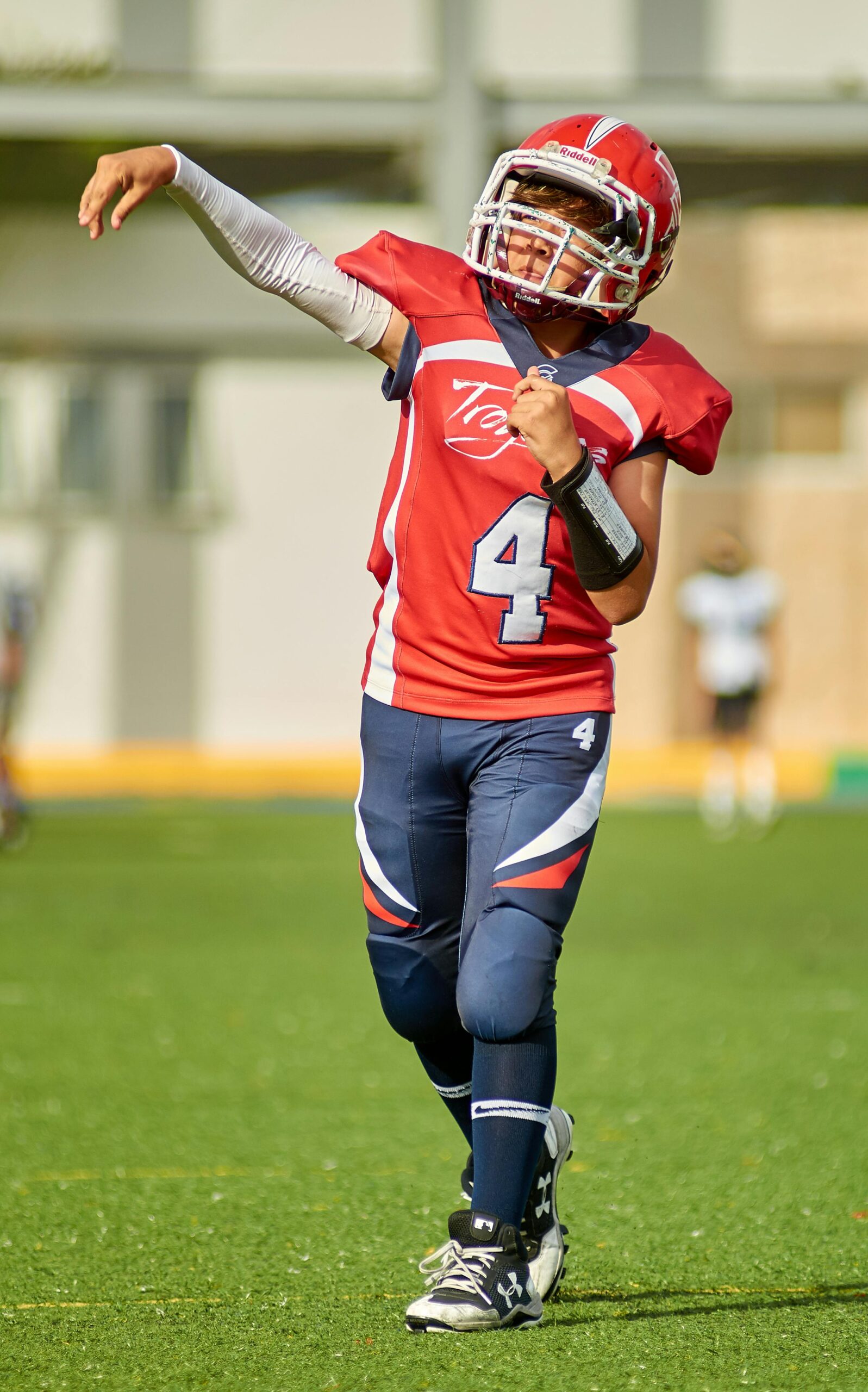
I’ve come to realize that sports are one of the most powerful classrooms. Not because of trophies, ribbons, or wins, but because of the human lessons they teach along the way. Teamwork, resilience, confidence, empathy, and leadership are not chapters in a textbook. They are learned on the ice, the trails, the field, and in quiet moments when things get hard.
We often talk about the physical benefits of sports, like stronger bodies and active lifestyles, but what I see most clearly in my own children is the emotional growth happening beneath the surface. The way they learn to pick themselves up after falling. The way they listen to a teammate or encourage someone who is struggling. The way they slowly start to believe in themselves, not because someone told them to, but because they proved it to themselves.
I remember when my daughter was five and wanted to go on all three chairlifts at Kimberley Alpine Resort. My husband and I were both so excited, and we happily agreed. That excitement did not last long. The hill was icy, the snow was thin, and even I started regretting being out there. I could see my daughter having a hard time keeping control in the icy conditions. She stopped, took a deep breath, looked at me, and said, “Mommy, I just need a minute to rest my legs, and then I can keep going. The only way back is to just ride down.”
That moment on the mountain has stayed with me. It reminded me that resilience doesn’t always look like charging ahead. Sometimes it looks like pausing, taking a breath, and deciding to keep going even when it’s uncomfortable. Watching my daughter gather herself and ride down that hill taught me as much about perseverance as it taught her. In that small moment, she learned something far more valuable than technique: she learned that courage often begins with calm.
Sports offer countless chances for children to practice that kind of resilience. Every missed goal, tumble, or tough practice becomes an opportunity to manage frustration, build patience, and try again. These are the experiences that shape emotional intelligence and self-regulation. They remind kids that progress is rarely instant and that effort, not perfection, is what helps them grow stronger. As a parent, it’s tempting to step in when things get hard, but I’ve learned that the best lessons come when I simply stand beside them and let them figure it out.
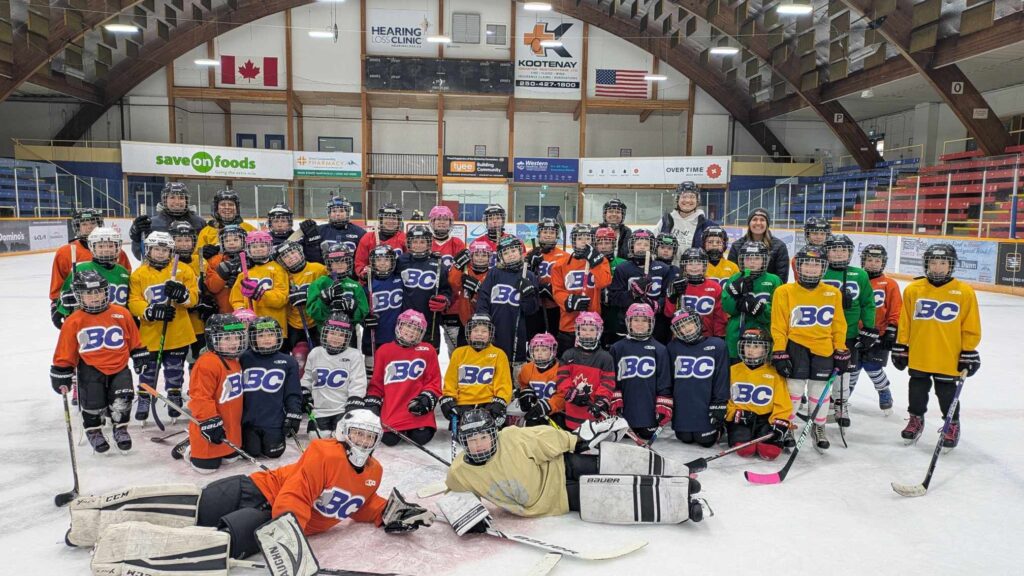
This weekend, I had the pleasure of hosting a female hockey camp for girls aged 5 to 13 #WGIHW. More than 50 players attended, and some travelled over four hours just to be there for a single-day camp. The passion, excitement, and pure joy these girls brought onto the ice was incredible to witness. Many of them had never met before, yet they connected instantly. A shared love of sport created a sense of community that did not need words. They supported one another, cheered for each other, and were not afraid to fall or try again. It reminded me that resilience is not only built in competition, but also in belonging, encouragement, and being part of something bigger than yourself.
Even in individual sports like skiing or mountain biking, kids don’t grow alone. They learn from coaches, cheer on their friends, and watch how others handle success or disappointment. In team sports like hockey, this becomes even more visible. Kids learn that their actions affect others. Not passing the puck, celebrating a teammate’s goal, or saying “good try” after a missed shot; These are small but powerful lessons in empathy and cooperation.
Research done in the United States has shown that participating in sports helps develop communication skills, emotional awareness, and trust among peers. I see this with my daughter on the ice. It is not just about skating fast or scoring goals. It is about looking up to see who needs a pass, helping a teammate with their gear, or saying “it’s okay, try again” when someone feels frustrated. That is leadership in its simplest and most important form lifting others up, even when things are not perfect.
As a future educator, this is the kind of classroom environment I hope to create. One where students feel supported by their peers, where mistakes are seen as learning opportunities, and where encouragement matters more than being the best. Sports teach children that they are part of a team, and that being a good teammate is just as important as being a good player.
Confidence in sports often comes from small victories, not medals. It grows in quiet, everyday moments when a child practices something again and again until it finally clicks. I saw it in my daughter’s face when she lifted the puck off the ice for the first time after weeks of trying, and I saw it so clearly in my son’s eyes the first time he peddled his bike without training wheels. He wobbled, hesitated, and then found his balance. His whole face lit up, not because someone told him he was great, but because he knew he did it himself.
According to the Canadian government’s Why sport is important to Canadians and Canada report, sport and physical activity offer unique opportunities for personal growth and development, promote social inclusion, and help build essential life skills. Children develop confidence and motivation not simply through competition but through the joy of mastering new skills and being part of a community of peers working toward something together.
I am grateful for the lessons that sports teach my children. They are learning how to work with others, how to keep going when things are difficult, how to show kindness, and how to trust themselves. These are not just sports lessons. They are life lessons.
What matters to me isn’t how many goals they score or how far they go in sports. What matters is that they grow into strong, empathetic, confident people who know how to get back up when they fall, how to support others, and how to believe in themselves in and out of sports.
Sorry, but comments are not enabled on this site.