As a parent and a future teacher, I think about inclusion and equity in sports a lot. It’s easy to say that sports are “for everyone,” but the reality is that not every child has the same access or opportunity to participate. Between the cost of equipment, travel, registration fees, and time commitments, the barrier to sports can be high. I’ve seen it firsthand with my daughter, who plays hockey. With hockey comes travel, hotel stays, food, and fuel costs. It all adds up quickly. Last year, I even nominated our league for the Kruger Big Assist in hopes of making hockey more inclusive for every player and helping reduce some of the financial pressures attached to the sport. We won $25,000 and have been working towards breaking down some of the barriers.
For me, inclusion means making sure every child has a chance to find something they enjoy and feel successful in. That’s why I think offering a variety of recreational sports is so important. Not every child wants to compete, and not every family can afford the demands that come with competitive programs. Recreational and community-based sports are more affordable, more flexible, and give kids a space to move, play, and belong, without the added pressure of performance. When we make sports about fun, connection, and confidence, we help every child feel like they belong on the team.
I also believe that non-recreational or higher-level programs should have funding options available so that financial barriers never decide who gets to play. Sports organizations should actively seek out grants and funding initiatives to support children from all backgrounds. Making sports accessible takes more than good intentions; it requires real resources. Thankfully, there are many funding opportunities across Canada, such as those offered through Canadian Heritage and Sport Canada. For example, the Sport Support Program (SSP) provides funding for organizations that aim to remove barriers and increase participation among underrepresented groups, including low-income families, newcomers, persons with disabilities, and Indigenous communities.
There are also incredible community-based funding programs like the Kruger Big Assist, KidSport Canada, Jumpstart for Kids, and OreoPlayful initiatives. These programs help cover registration fees, equipment costs, and travel expenses, making it possible for more families to stay involved in sport. By being aware of and using these supports, leagues and schools can help ensure that cost or travel never determine which children get to play.
Financial barriers aren’t the only thing keeping children out of sports, sometimes, it’s the lack of belonging, representation, or opportunity to play in a way that fits their abilities. In an in-situ this week, I saw firsthand the power of inclusion in sport and the joy it brought to a child in a wheelchair. That moment reminded me how simple it can be to adapt a sport to make sure every student feels part of the team. The sense of pride and self-efficacy that came from participation was unmistakable. As an educator or coach, it’s about adapting the game so everyone can take part. Creating diverse and inclusive opportunities in sports allows every child to feel valued and confident, while also teaching that sports are for everyone and enjoyed by everyone.
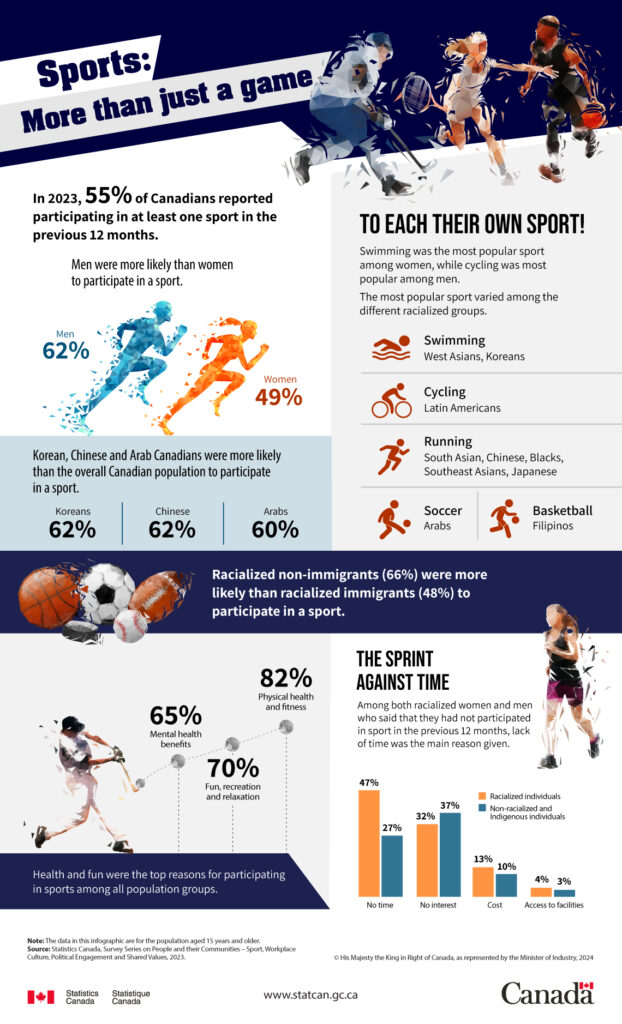
I’ve spent a lot of time highlighting the physical and emotional benefits of sports, but I think one of the most important ones is the sense of home they create. Sports can be a place where youth feel connected, supported, and part of something bigger than themselves. It’s where they can show up as they are, surrounded by teammates and coaches who believe in them. I want every child to have that feeling; that no matter their background, ability, or circumstance, they have a place in sport that feels like home.
Sorry, but comments are not enabled on this site.