Makayla, Chloe, and Sophie – Virtual Field Trips (VFTs)
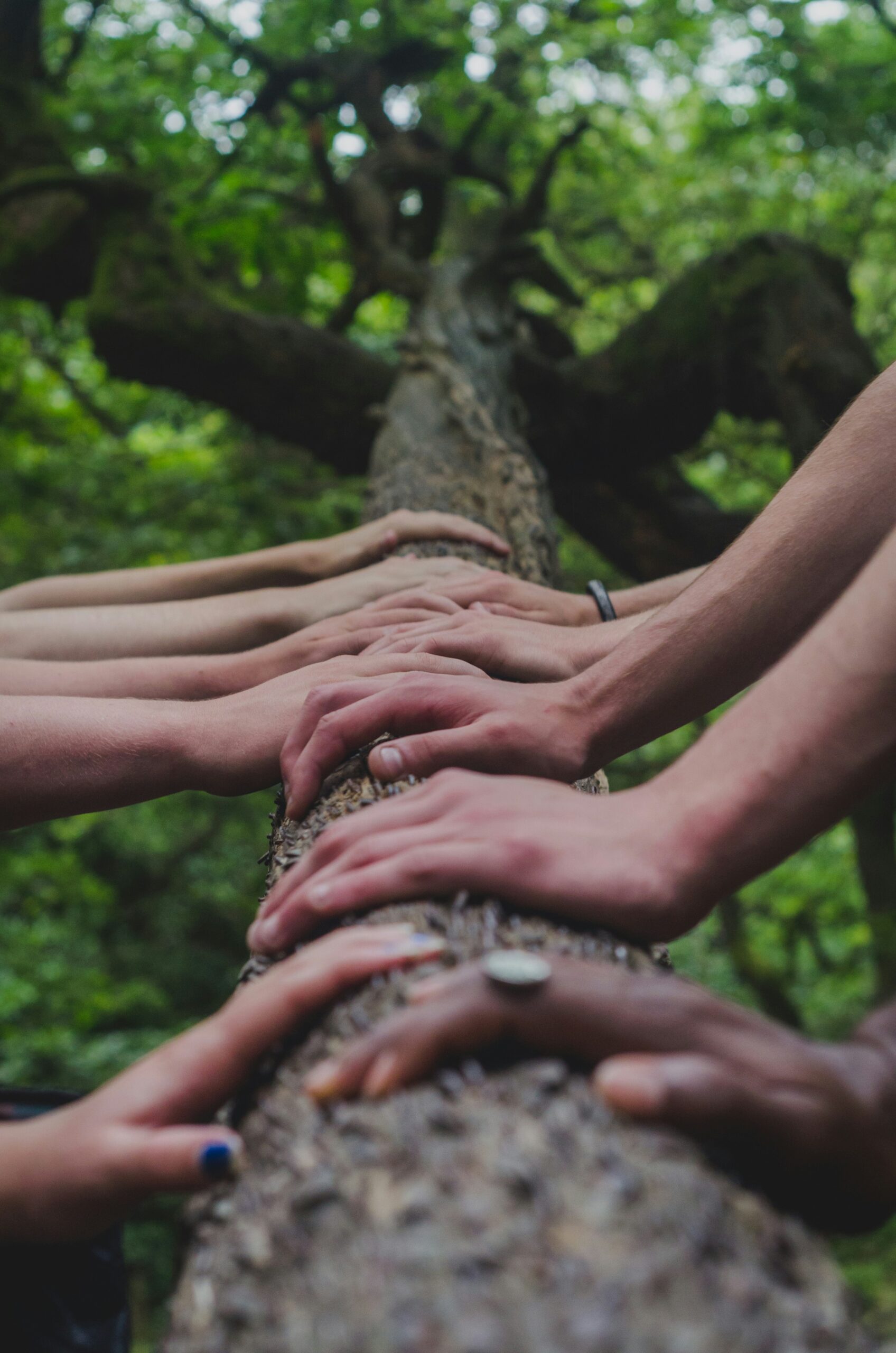
This group demonstrated the potential of virtual field trips by actually taking us on a few using Learning Llama, ThingLink, and the BBC Learning Hub. Their presentation showed how VFTs remove financial, physical, and logistical barriers, making field experiences accessible to every student. With thoughtful design, VFTs can be created to support UDL principles and ensure all learners can actively participate.
Shae, Dakota, Grace, and Daleen – Tech Time in the Classroom, unplugged or unprepared
This group collected authentic teacher perspectives by recording podcast interviews with local educators about how and why they use technology. Their key message was the importance of intentional tech use—choosing digital tools with a clear purpose and setting boundaries around time and expectations. They highlighted commonly used platforms such as Seesaw, Reading Eggs, Math Seeds, Mystery Science, UFLI, and VFTs, and emphasized that digital awareness and safety matter just as much as digital literacy.
Ella, Lela, and Benny – High Tech, Low Tech, and No Tech
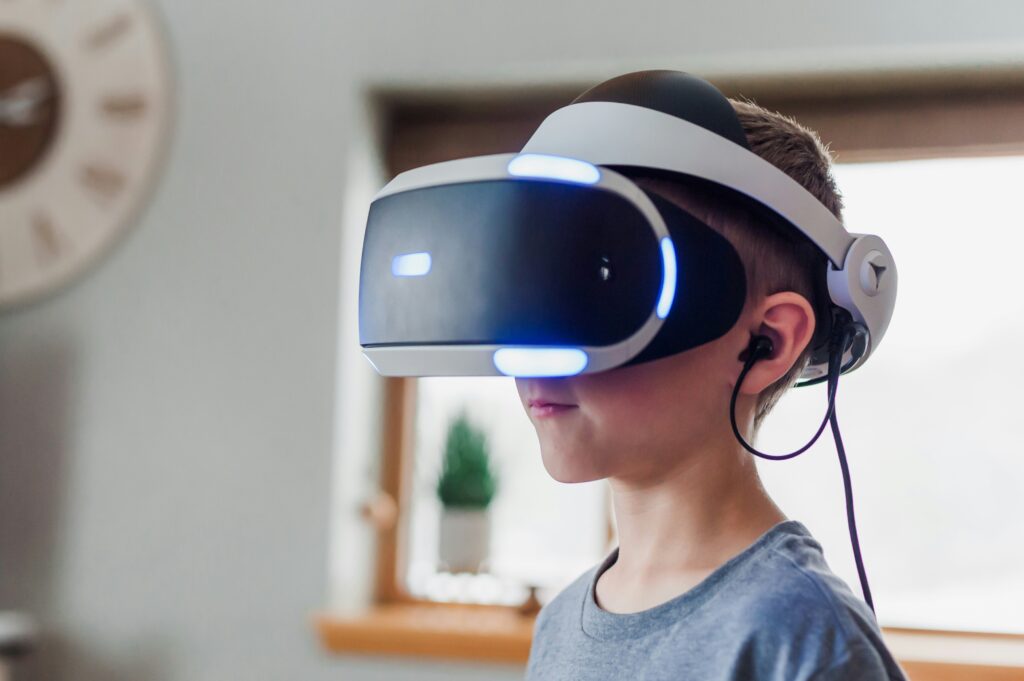
They compared the differences between high-tech, low-tech, and no-tech learning environments. High-tech classrooms integrate digital tools and platforms; low-tech environments emphasize simplicity with supports such as visual templates or digital timers; and no-tech settings rely solely on non-digital materials. They stressed that while all three approaches have value, no-tech environments can sometimes become a barrier to inclusion if digital tools are needed for accessibility. Their main message: use technology intentionally, with adaptability and student needs at the center.
Hannah, Breanna, Amanda, and Alexandra – Technology and Student Safety
This group explored how technology is used to enhance safety in schools. They examined school security cameras, predictive analytics, and a range of emergency response apps such as Rave Panic Button, CrisisGo, and SchoolGuard, all designed to support rapid communication during emergencies.
They also discussed Securly, a digital monitoring and filtering system used by many schools. Securly tracks student data and online activity to support safety and wellness, using tools such as internet filtering, screen monitoring, and AI-driven alerts that detect potential risks like cyberbullying, self-harm, and concerning behaviour trends. While these technologies aim to protect students and keep families informed, the group also raised critical questions about privacy, trust, and the potential emotional impact of surveillance.
Data from the East Kootenays highlights real safety concerns—students reporting feeling unsafe, carrying weapons, or experiencing suicidal thoughts—which makes the tension between protection and privacy even more complex and important to navigate.
Personal Reflection
I was especially drawn to the information shared by the last group because it connected directly to our local context in the East Kootenays, something I hadn’t fully considered even as a mom. Living in a small community, I often assume our area is safe, and I don’t usually think about the very real risk factors that students face. Hearing the data and learning about the safety technologies used in schools made me realize that student safety is a much more complex and active concern than I previously understood. It pushed me to think more deeply about how schools balance protection, privacy, and trust to keep children safe.
I also loved seeing how many of the groups, including ours, were genuinely interested in how to incorporate technology meaningfully into the classroom. Each group approached this idea differently through virtual field trips, teacher interviews, tech comparisons, or safety tools, and it was exciting to see such creativity and passion from future educators. I really enjoyed learning about virtual field trips in particular. Being part of the slightly older generation in our cohort, this wasn’t something I ever experienced in my own education, and it opened my eyes to how powerful and accessible these digital experiences can be. It is definitely something I plan to incorporate into my future classrooms.
Sorry, but comments are not enabled on this site.