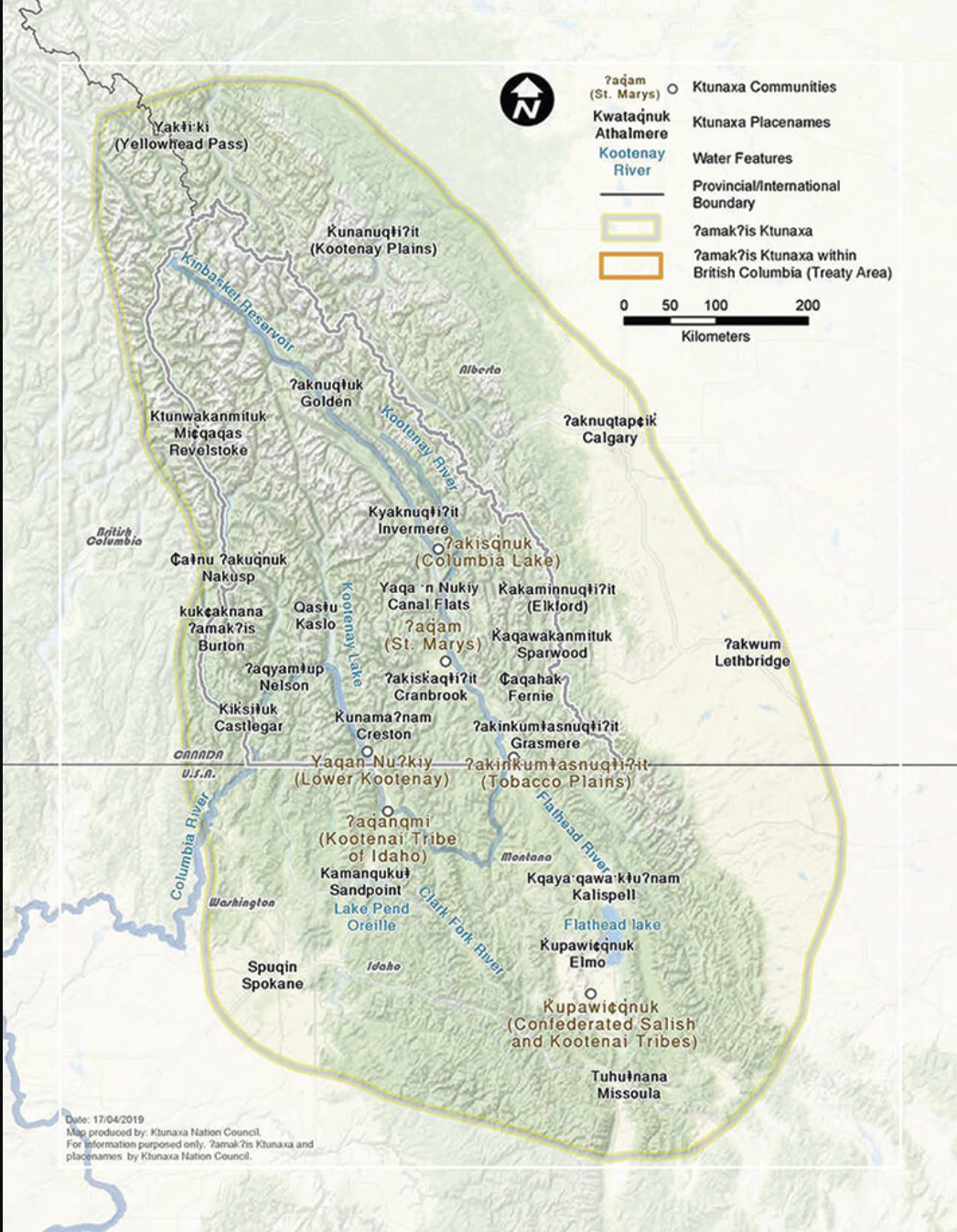
My Land Acknowledgment to be read in ʔakisqakⱡiʔit (Cranbrook) and Kukamaʔnam (Kimberley) British Columbia.
As a guest on these lands, I am grateful to live on the unceded traditional homelands of the Ktunaxa Peoples, who have cared for and protected this land since time immemorial.
I am thankful for the clean air we breathe, the water we rely on, and the mountains and forests that surround us. I feel especially grateful for the time I spend outside, whether I am mountain biking through the trees or running through the forest. Being in nature is where I feel most grounded and myself.
I am committed to caring for this land and doing my part to keep it as clean, or cleaner, than I found it. I am thankful to the stewards of this land for continuing to care for it and for allowing us a place to learn, explore, and connect.
- Land Acknowledgements as Personal and Intentional Practice
Reason for selection: I chose this because land acknowledgements are something I will use regularly in my teaching practice and want to model authentically for students.
Creating a land acknowledgement is not about reciting a script, but about developing a personal and meaningful connection to the land. Through this module, I learned the importance of acknowledging whose land I am on, expressing gratitude, and making a personal commitment to respect and care for the land. This is something I can model for my students and use as a starting point for them to create their own acknowledgements.
Transfer to practice:
I plan to use land acknowledgements regularly in my classroom in ways that are personal and reflective rather than performative. I would also like to guide students in creating their own acknowledgements by reflecting on their relationship to the land, what they are grateful for, and how they can care for the environment and community around them.
Creating a Land Acknowledgement Checklist
Before Writing
☐ Learn whose territory you are on, is it traditional/heritage and/or unceded, treaty
☐ Practice saying the Nation’s name correctly
☐ Reflect on your own relationship to the land
☐ Think about why land acknowledgements are important
What to Include
Acknowledging the Land and Peoples
☐ Name the Indigenous Peoples whose land you are on
☐ Acknowledge the care they have for the land
☐ Be respectful and accurate with terminology
Personal Connection
☐ Share what you appreciate about the land
☐ Reflect on how you use or connect with the land
☐ Include specific examples or experiences that feel personal to you
Examples:
- forests
- rivers or lakes
- hiking or biking
- gathering with family
- feeling calm or connected outdoors
Gratitude and Responsibility
☐ Express gratitude for the land and those who care for it
☐ Include a commitment or responsibility to care for the land and/or others
☐ Think about how you can show respect in your actions
Examples:
- keeping the land clean
- learning local history
- listening and learning from Indigenous voices
- respecting nature and community spaces
Final Reflection
☐ Does it sound genuine and personal?
☐ Does it sound respectful and thoughtful?
☐ Is it written in your own words?
☐ Would you feel comfortable sharing it aloud?
Reminder
A land acknowledgement is not about saying the “perfect” thing. It is about showing respect, gratitude, reflection, and a willingness to continue learning.
2. First Peoples Principles of Learning
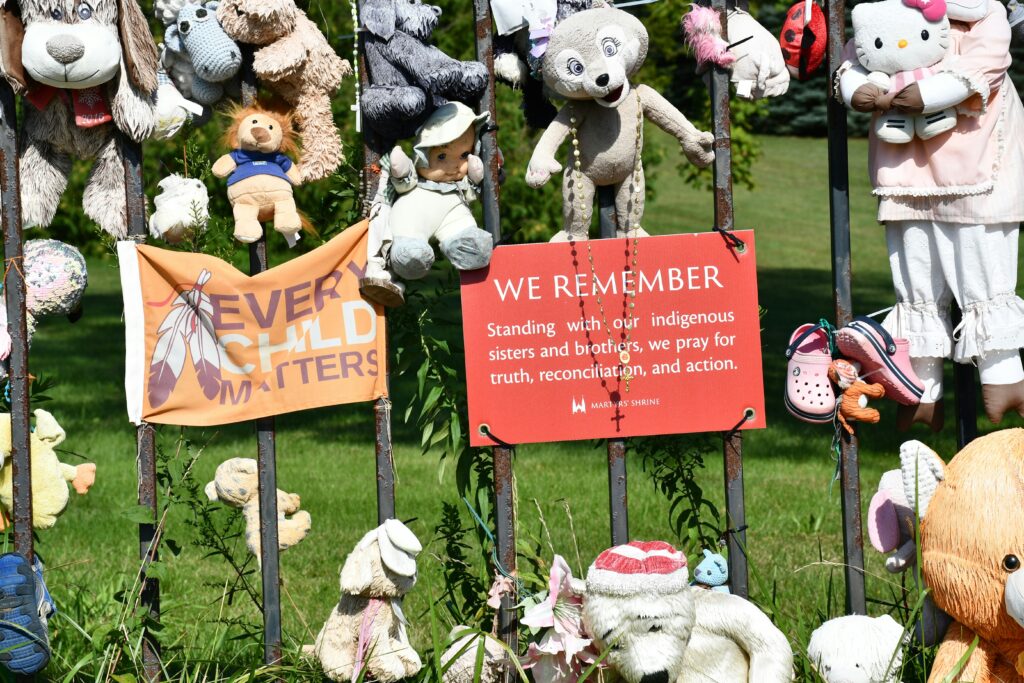
Reason for selection: I selected this because it provides a strong foundation for how I want to approach teaching and learning in my classroom.
The First Peoples Principles of Learning highlight that learning is holistic, relational, and connected to identity, land, language, and community. These principles reinforced the importance of embedding Indigenous perspectives into everyday classroom practice rather than treating them as one-time lessons or activities. I want to ensure that my teaching reflects these principles by creating learning experiences that are reflective, connected to the land, and grounded in relationships.
Jo Chrona’s discussion around language and identity also strongly connected to this learning for me. Her reflection about how many students around the world still have opportunities to learn and speak their languages, while many Indigenous languages were intentionally suppressed through colonial systems, was both simple and powerful. It reinforced the importance of respecting and valuing Indigenous ways of knowing, being, and communicating within our classrooms.
The Aboriginal Worldviews and Perspectives in the Classroom: Moving Forward from BC Ministry of Education (2015) document further emphasized that Indigenous perspectives should not be treated as an “add-on,” but should instead influence how we approach teaching, relationships, community, and learning as a whole. This shifted my thinking away from viewing Indigenous content as isolated lessons and more toward embedding these perspectives naturally and consistently throughout classroom experiences.
Transfer to practice:
This takeaway will influence how I structure my classroom and lessons. I want learning to feel connected to students’ lives, experiences, and communities. I plan to continue incorporating and growing land-based learning, reflection, storytelling, relationship-building, and opportunities for student voice into my classroom routines and instruction. I also want to be intentional in creating learning experiences that honour Indigenous perspectives in authentic and respectful ways throughout the entire school year, rather than limiting them to specific units or events.
3. Witnessing, Reflection, and Classroom Community

Reason for selection: I selected this because it directly connects to practices I am already using in my classroom and showed me how I can deepen them more intentionally to build a respectful and inclusive classroom community.
The concept of witnessing was new to me, but I found it to be a powerful approach to learning. Through Greg Sutherland’s work on witnessing, I learned that witnessing involves listening carefully, reflecting on the experiences and perspectives of others, and valuing learning beyond simply finding a “right” answer. This connected strongly to practices I already use in my classroom, such as forest walks and talking circles, where students share what they see, hear, feel, and think.
In my classroom, students pass around a talking stone and share their favorite part of the weekend or anything else they would like to share, while the rest of the class listens respectfully and responds with “thank you for sharing.” Reflecting on this module made me realize that these practices can become even more intentional. Witnessing is not just about hearing another person speak, but about genuinely listening, reflecting, and learning from their experiences and perspectives.
This takeaway also reinforced the importance of creating classroom environments where students feel heard, respected, and valued. Hearing others’ truths and experiences can challenge our own thinking, help us recognize our biases and privilege, and build empathy and understanding within the classroom community.
Transfer to practice:
I plan to continue using talking circles and outdoor learning experiences while incorporating more intentional opportunities for students to witness and reflect on one another’s experiences. I would also like to try implementing a structure similar to the witnessing model Greg Sutherland uses, where students are encouraged to reflect on what they learned from others rather than simply responding or giving opinions. I want students to practice listening without judgment and understand that everyone carries different truths and perspectives. I also want to create classroom discussions and routines that encourage reflection, respectful communication, empathy, and relationship-building so that students feel safe sharing and learning from one another.
4. Allyship as Ongoing Action

Reason for selection: I chose this takeaway because it challenged my understanding of allyship and reinforced that it requires ongoing effort, reflection, and action.
The Indigenous Ally Toolkit by Dakota Swiftwolfe emphasizes that allyship is not a label, but a lifelong commitment to learning, reflection, and action. Being an ally requires understanding one’s own privilege, questioning motivations, and supporting Indigenous communities in respectful and informed ways. It also highlights the importance of using accurate terminology, recognizing the diversity of Indigenous identities, and understanding that Indigenous Peoples are the experts of their own histories and experiences.
The Indigenous Peoples: Language Guidelines from the University of British Columbia further reinforced for me that terminology matters because language carries history, meaning, and respect. Using accurate and respectful language is not simply about being politically correct, but about recognizing identities, histories, and lived experiences in thoughtful and informed ways. The guide also emphasized the importance of avoiding outdated or generalized terminology and recognizing the diversity among Indigenous Peoples and communities.
Together, these resources reinforced for me that allyship is an ongoing process that requires humility, accountability, continued learning, and a willingness to reflect on the language we use and the systems we participate in.
Transfer to practice:
This takeaway represents a philosophical shift in how I approach teaching and classroom relationships. I want to be more intentional with the language I use and continue learning and unlearning throughout my teaching practice. I also want to model for students that mistakes are a natural part of learning, and that when mistakes are made, it is important to respond with humility, acknowledge the error, learn from it, and do better moving forward.
Sorry, but comments are not enabled on this site.