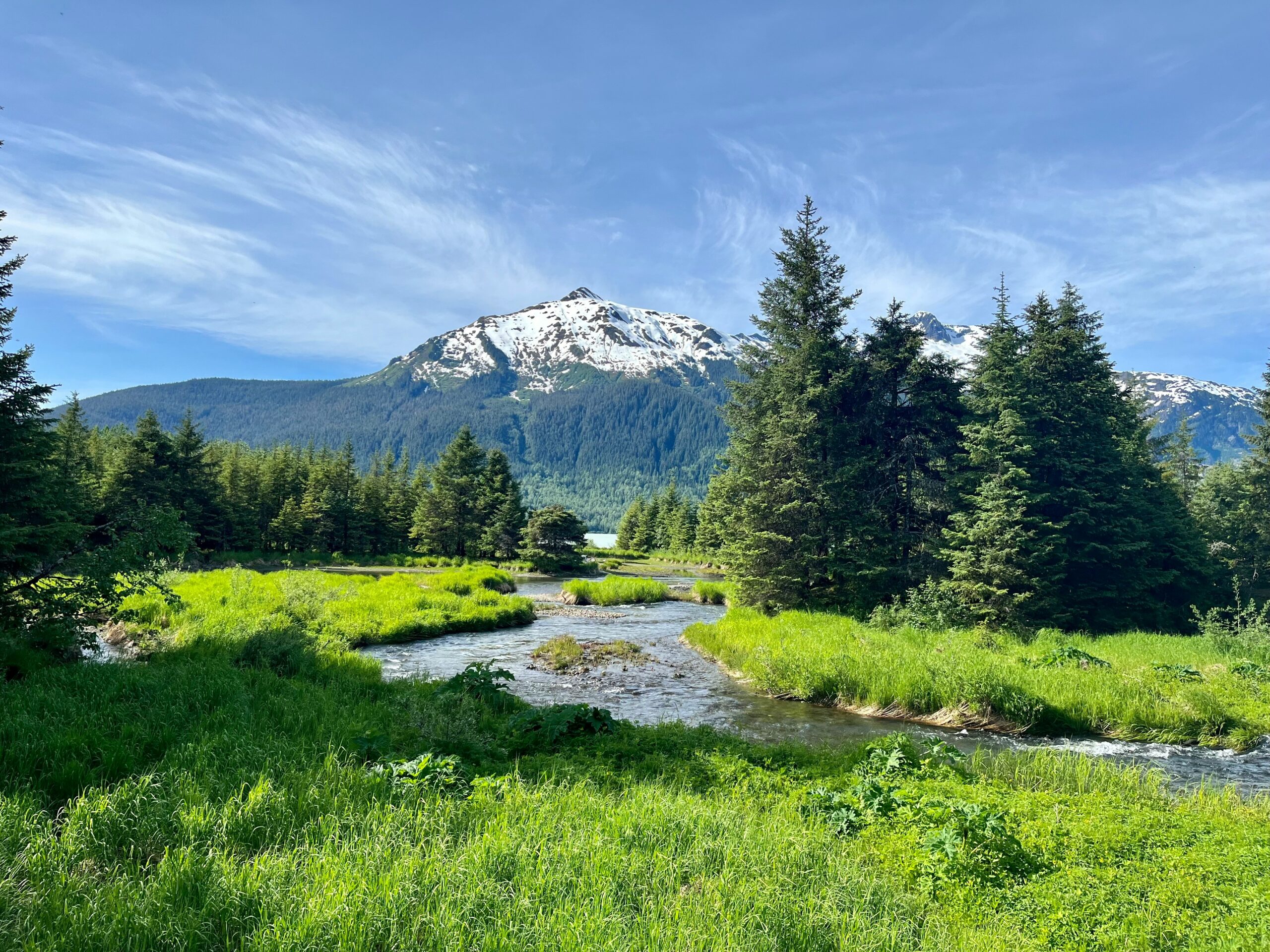
Over the first two modules, my inquiry question has continued to evolve and deepen through reflection, readings, videos, and my own teaching experiences. I keep returning to my inquiry question: How can non-Indigenous educators respectfully and authentically incorporate Indigenous perspectives into everyday classroom practice? Although the wording may shift slightly each time, the heart of the question remains the same. I continue to realize that this work is not about adding isolated Indigenous lessons into the classroom, but about rethinking relationships, learning, reflection, community, and connection to the land in a more meaningful and intentional way.
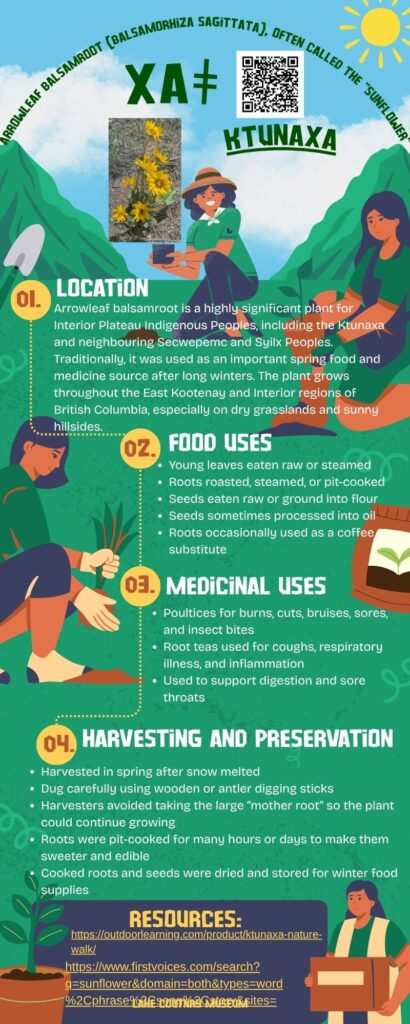
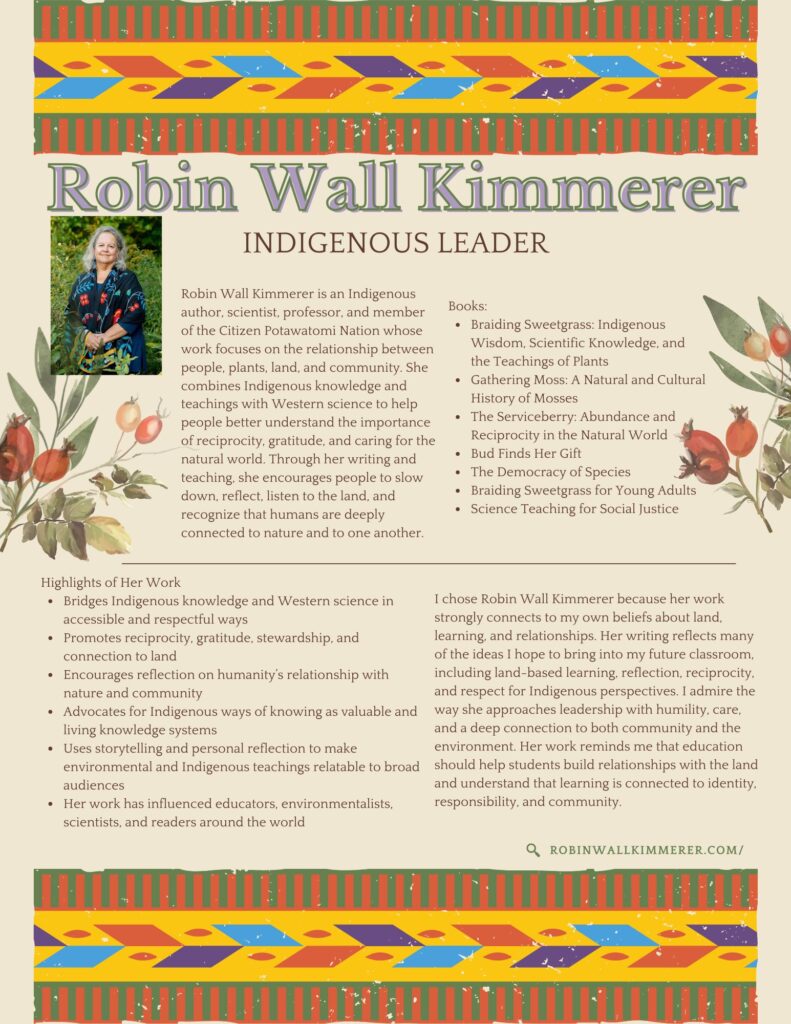
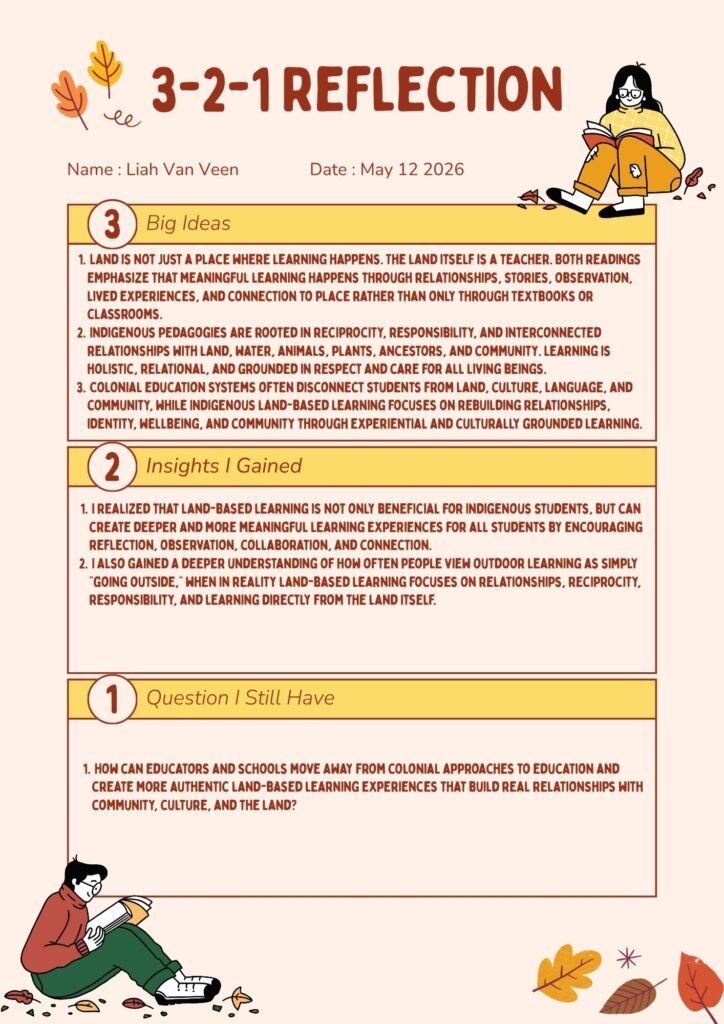
Through these modules, I have become more aware of how much colonial systems have shaped education and disconnected many students from the land, culture, language, and community. Resources such as First Peoples Principles of Learning, Jo Chrona’s reflections, the NCCIE land-based learning resources, and Leanne Betasamosake Simpson’s Land as Pedagogy article reinforced the idea that meaningful learning happens through relationships, lived experiences, storytelling, observation, and connection to the land rather than only through textbooks or classroom instruction. This has challenged me to think more critically about my role as an educator and how I can move beyond surface-level inclusion toward creating authentic and respectful learning opportunities rather than simply checking a box.
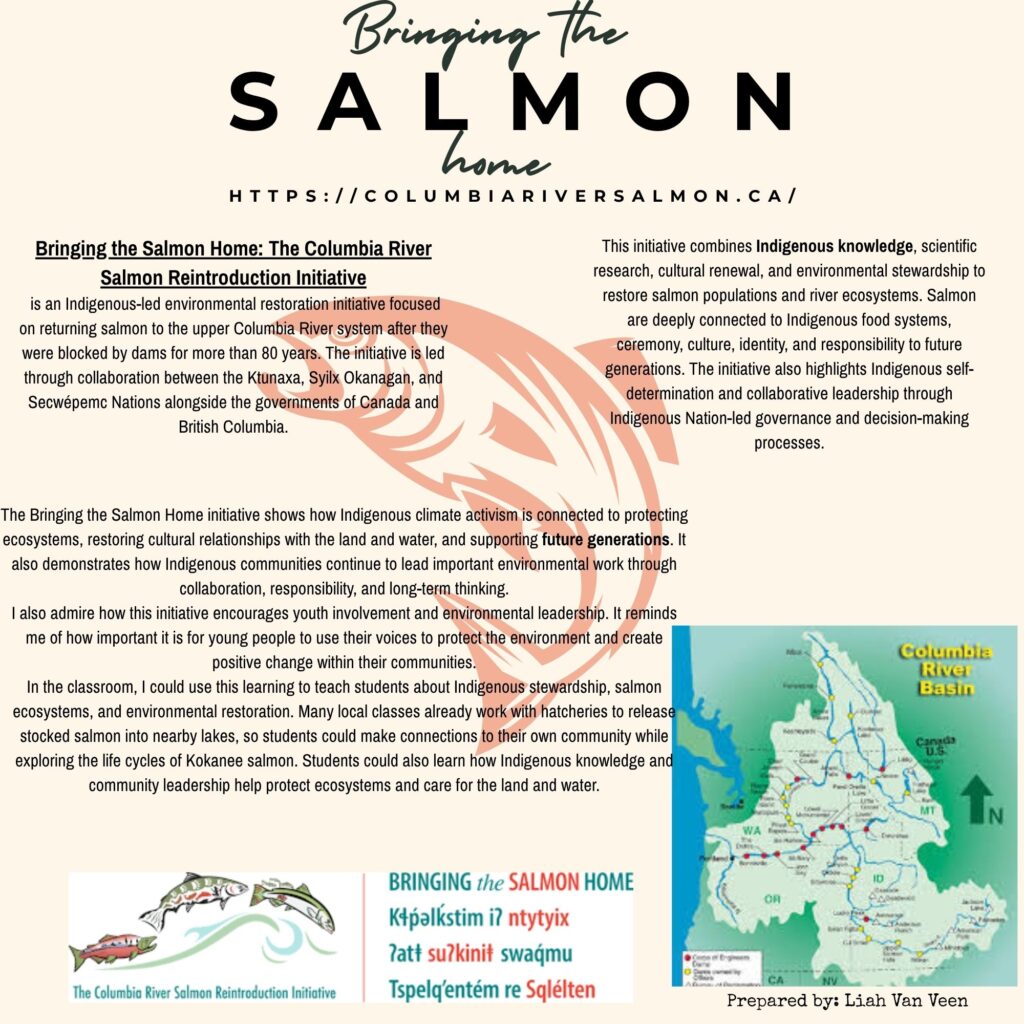
The article Indigenous Pedagogies: Land, Water, and Kinship by Anna Lees and Megan Bang also expanded my thinking around relationships and kinship with land, water, and more-than-human beings. It made me think more deeply about how interconnected learning, wellbeing, responsibility, and community really are. I also connected this to the Columbia River Salmon Reintroduction Initiative and how Indigenous leadership and stewardship are being put into action through restoring salmon populations, protecting ecosystems, and rebuilding relationships with the land and water. Seeing examples like this helped me realize that land-based learning is not just theoretical, but something living and active within communities.
I also noticed that many of the practices I already value in my classroom naturally connect to these teachings. Forest walks, talking circles, reflection, storytelling, student voice, and relationship-building all support classroom community and student well-being in meaningful ways. What I am beginning to understand, however, is that these practices become even more powerful when they are approached intentionally through reciprocity, reflection, and connection to the land rather than simply as classroom activities. Outdoor learning is not just about taking students outside. It is about slowing down, observing, listening, building relationships, and understanding our responsibilities to one another and the environment around us.
Rebecca Thomas’ TEDx Talk on Two-Eyed Seeing especially stayed with me because of the way she spoke about language, identity, colonization, and resilience. It made me reflect on how much was lost through colonization, but also how Indigenous Peoples continue to reclaim language, culture, and identity despite those impacts. I appreciated her discussion around the idea that Indigenous identity cannot be defined through colonial systems or rigid expectations. That really connected to my own reflections about authenticity, belonging, and relationships within education.
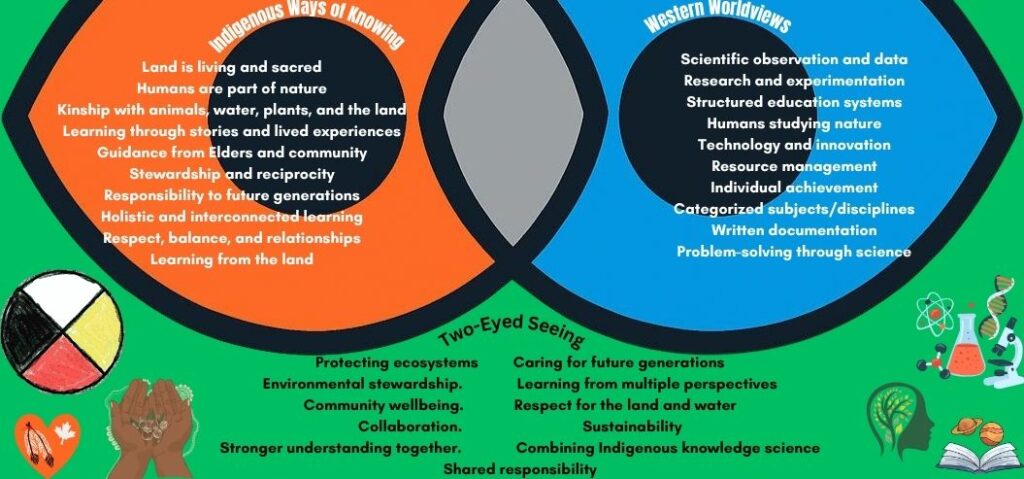
My reflections throughout these modules also helped me recognize how important humility and ongoing learning are within this work. I continue to worry about making mistakes or unintentionally offending someone, especially when incorporating Indigenous perspectives into my teaching practice. However, I am beginning to understand that making mistakes, acknowledging them, listening, and continuing to learn are important parts of growth and allyship. I think this inquiry question will continue to evolve throughout my teaching career as I keep learning from Indigenous voices, local communities, the land, my students, and my own reflections.
Most importantly, these modules reinforced for me that this work benefits all learners, not only Indigenous students. I believe that incorporating land-based learning, reflection, storytelling, reciprocity, and Two-Eyed Seeing into education has the potential to create more inclusive, connected, reflective, and meaningful learning environments for everyone. I want my classroom to be a place where students feel connected to the land, respected within the classroom community, and encouraged to learn from both their own experiences and the perspectives of others.
Sorry, but comments are not enabled on this site.