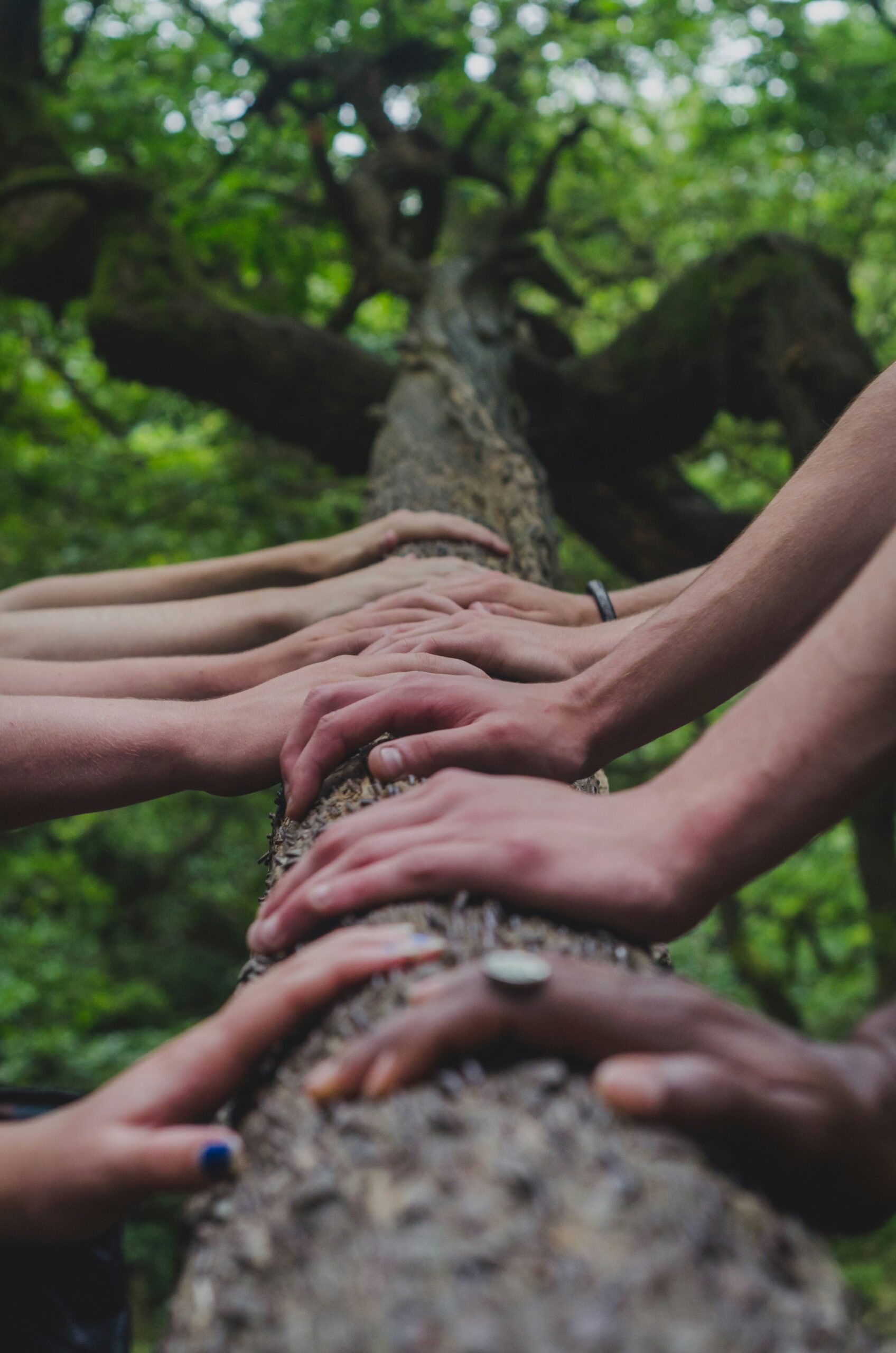
At the beginning of this course, I wanted to better understand how non-Indigenous educators can move beyond surface-level inclusion of Indigenous perspectives and build authentic relationships with local Indigenous communities. While I do not believe there is a simple or final answer to this question, my learning throughout the course has helped me develop a much deeper understanding of what this work requires.
I have come to realize that authentic inclusion is not about adding Indigenous content, celebrating special events, or checking curriculum boxes. Rather, it is about building relationships, approaching the work with humility, listening to Indigenous voices, and committing to ongoing learning and reflection. Through learning about land-based education, witnessing, cultural safety, Two-Eyed Seeing, reconciliation, Indigenous rights, and self-determination, I now understand that Indigenous perspectives should be woven throughout everyday learning rather than treated as separate topics.
One of the most significant shifts in my thinking has been recognizing that I do not need to be an expert to begin this work. Instead, I need to be willing to learn, make mistakes, reflect, and continue building relationships with local Indigenous communities, Elders, Knowledge Keepers, families, and students. Authentic relationships are built through trust, reciprocity, respect, and time.
As I move forward in my teaching career, I hope to create learning experiences that are grounded in relationship-building, land-based learning, authentic Indigenous resources, and opportunities for students to engage with multiple ways of knowing. This course has reinforced that reconciliation is not a destination but an ongoing responsibility. While my inquiry question continues to evolve, I now feel more confident and prepared to engage in this lifelong journey as an educator.
Sorry, but comments are not enabled on this site.