
As I reflect on the learning from this module, I continue to see my inquiry question evolving and becoming more complex. I keep returning to my inquiry question: How can non-Indigenous educators respectfully and authentically incorporate Indigenous perspectives into everyday classroom practice? While this question remains at the center of my learning, I am beginning to realize that respectfully incorporating Indigenous perspectives is not only about curriculum, resources, or lesson planning. It is also about understanding reconciliation, relationships, responsibility, and action.
The learning in this module reinforced that reconciliation is not something that can be achieved through a single lesson, land acknowledgement, or school initiative. Through learning about the Truth and Reconciliation Commission Calls to Action, UNDRIP, DRIPPA, and Roberta Jamieson’s ReconciliACTION, I have come to understand that reconciliation requires ongoing commitment, reflection, relationship-building, and accountability. It challenged me to think about the role educators play in supporting reconciliation, not only through what we teach but through how we teach and the relationships we build within our classrooms and communities.
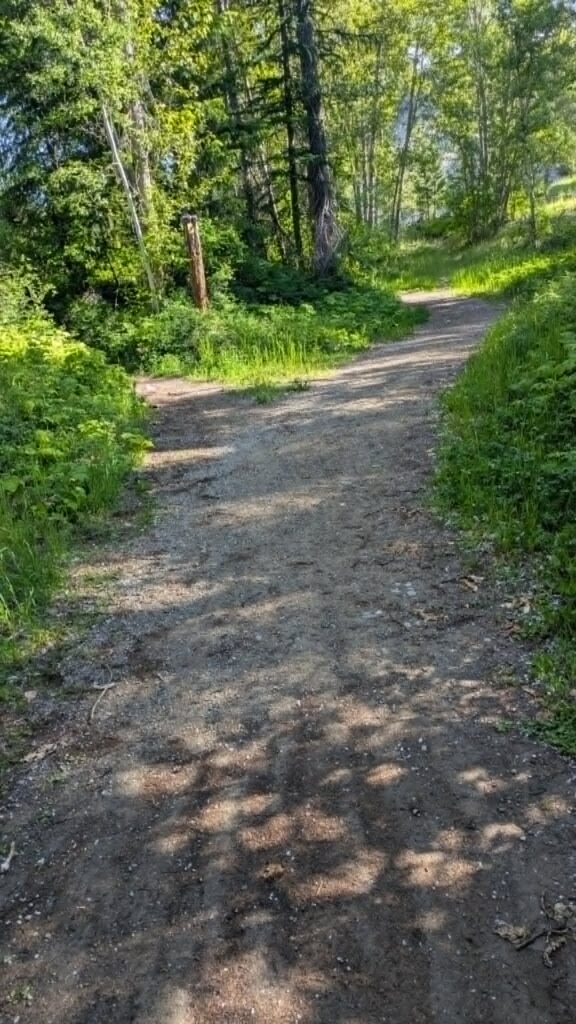
The concept of Two-Eyed Seeing had a particularly strong impact on my thinking. Through the work of Albert Marshall, Matthew Provost, Leroy Little Bear, and Hatcher and Bartlett, I learned that Indigenous and Western knowledge systems do not need to compete with one another. Instead, each offers valuable perspectives that can deepen our understanding of the world. This has helped me move beyond thinking about Indigenous perspectives as something to be added to existing curriculum and instead consider how multiple ways of knowing can work together to enrich learning for all students.
I was also surprised to learn that UNDRIP was adopted by the United Nations in 2007, yet Canada did not pass legislation supporting its implementation until 2021. Learning about BC’s Declaration Act Action Plan helped me understand how reconciliation can move beyond discussion and into concrete actions, policies, and accountability. These documents reinforced the importance of Indigenous rights, self-determination, and the responsibility institutions have in supporting meaningful change.
One of the biggest shifts in my thinking throughout this module has been recognizing that education has a significant role to play in reconciliation. Learning about Call to Action 63 highlighted the importance of educator learning and capacity-building. It reinforced that this work does not end when a course is completed or a professional development session is attended. Instead, it requires lifelong learning, humility, and a willingness to continue listening, reflecting, and growing.
As I continue exploring my inquiry question, I feel more confident than I did at the beginning of this course. I still recognize that I have much to learn, but I am beginning to understand that authentic implementation is not about becoming an expert in Indigenous knowledge. Rather, it is about building relationships, learning from Indigenous voices, approaching the work with humility, and creating learning environments where Indigenous perspectives, histories, and ways of knowing are valued throughout the year rather than treated as isolated topics. This module reinforced for me that reconciliation is ongoing work and that educators have an important responsibility to contribute to that work in thoughtful and respectful ways.
Sorry, but comments are not enabled on this site.