
Over the first four modules, my understanding of Indigenous histories, perspectives, and the ongoing impacts of colonialism has expanded significantly. Through learning about the Doctrine of Discovery, treaties, residential schools, the Indian Act, the Sixties Scoop, Missing and Murdered Indigenous Women and Girls, and child welfare systems, I have realized how much of Canada’s history was either simplified or omitted throughout my own education. This learning has reinforced for me that reconciliation is not simply about learning historical facts, but about listening to Indigenous voices, critically reflecting on colonial systems and biases, and recognizing how these systems continue to impact Indigenous Peoples today.
My inquiry question asks: How can non-Indigenous educators respectfully and authentically incorporate Indigenous perspectives into everyday classroom practice? Through this inquiry, I have realized that authentic incorporation cannot come from occasional “add-ons” or isolated lessons during Orange Shirt Day or National Indigenous Peoples Day alone. Indigenous perspectives should be woven naturally throughout everyday classroom practice, literature, discussions, land-based learning, history, science, art, storytelling, and relationships within the classroom.
One of the biggest things I have reflected on is the importance of representation and voice. Resources such as The Danger of a Single Story reinforced for me how harmful it can be when students only hear one perspective or narrative. As an educator, I think it is important to intentionally include authentic Indigenous authors, storytellers, knowledge keepers, and resources so students hear Indigenous perspectives directly rather than only through colonial interpretations. I also think educators need to critically reflect on whose stories are being centered, whose voices may be missing, and how Indigenous Peoples are represented within classroom materials and conversations.
This learning has also reinforced for me how important relationship-building, humility, and ongoing learning are for non-Indigenous educators. I do not think this work is about becoming an “expert,” but rather about being willing to listen, reflect, acknowledge mistakes, and continue learning. Jo Chrona’s discussion surrounding biases and assumptions especially stood out to me because it emphasized that anti-racism and reconciliation are lifelong processes rather than checklists to complete.
As I move forward into my teaching practice, I hope to create classroom spaces grounded in honesty, empathy, critical thinking, and respect. I want students to understand that Indigenous Peoples are not only connected to stories of trauma and colonial harm, but also to strength, resilience, leadership, knowledge, culture, and community. I also hope to continue incorporating land-based learning, local Indigenous perspectives, and opportunities for reflection and discussion within my classroom practice.
Most importantly, this inquiry has reinforced for me that education plays a powerful role in truth-telling and reconciliation. Non-Indigenous educators have a responsibility to move beyond surface-level teaching and work toward creating learning environments where Indigenous voices, perspectives, histories, and ways of knowing are respected, valued, and meaningfully included every day rather than occasionally.
Resources I Would Like to Share
- Unceded: Understanding British Columbia’s Colonial Past and Why It Matters Now — George M. Abbott
- True Reconciliation: How to Be a Force for Change — Jody Wilson-Raybould
- 21 Things You May Not Know About the Indian Act: Helping Canadians Make Reconciliation with Indigenous Peoples a Reality — Bob Joseph
I have read all three of these books and found them all incredibly eye-opening and informative. They helped deepen my understanding of colonization, reconciliation, Indigenous rights, and the ongoing impacts of colonial systems in Canada. I feel we all have so much more to learn, and sharing resources we have found meaningful and helpful throughout this process of learning and unlearning is invaluable.
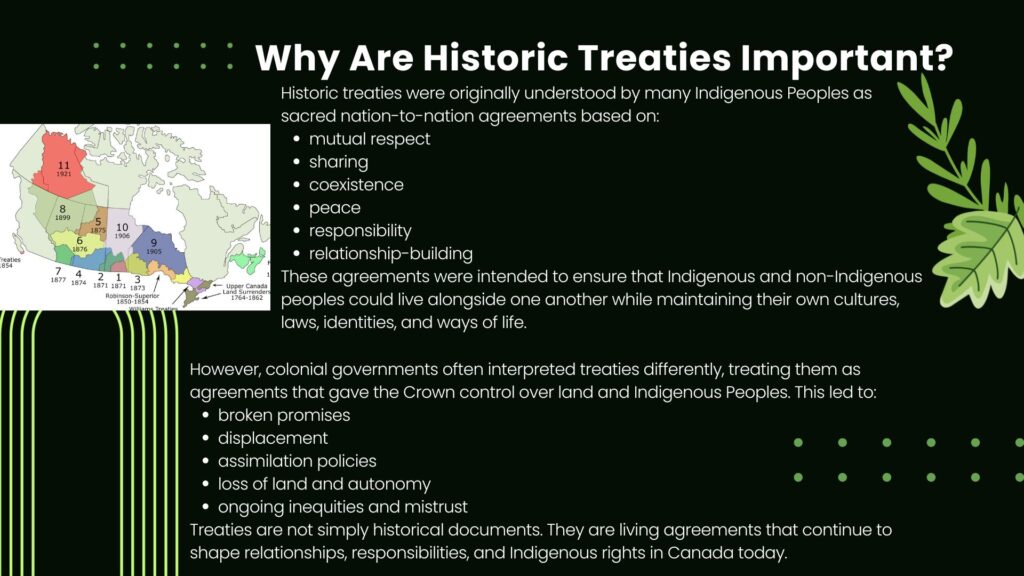
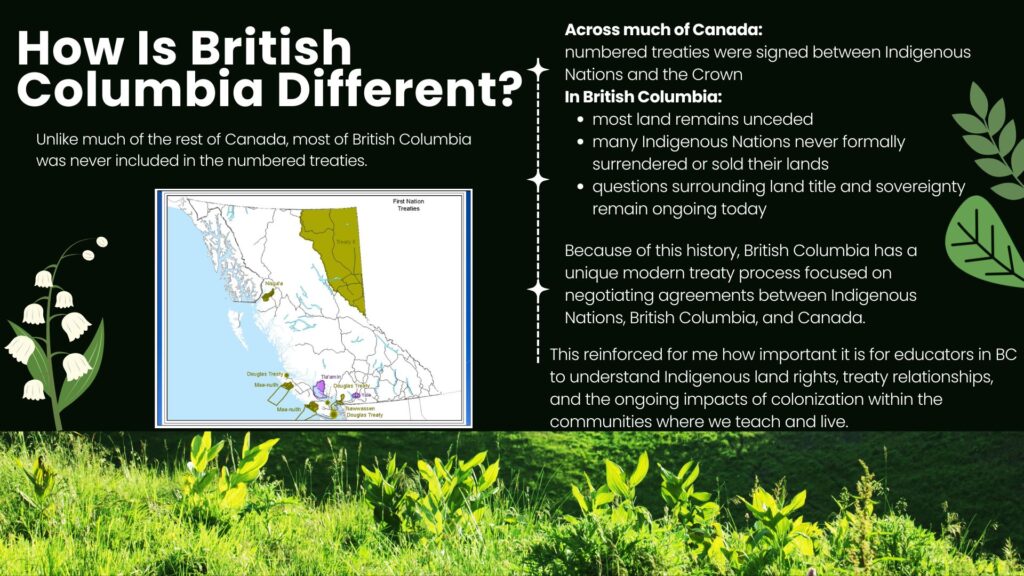
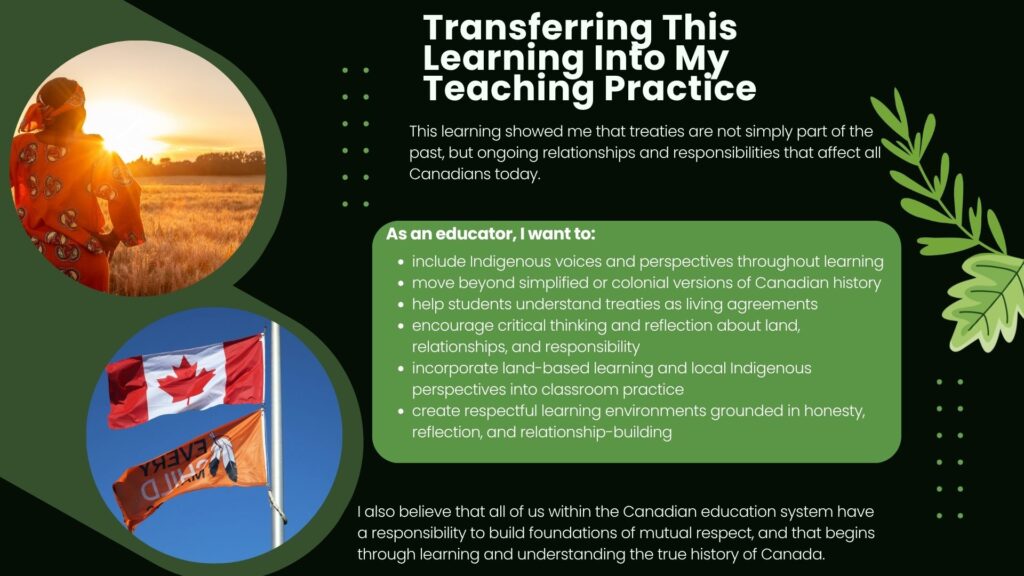
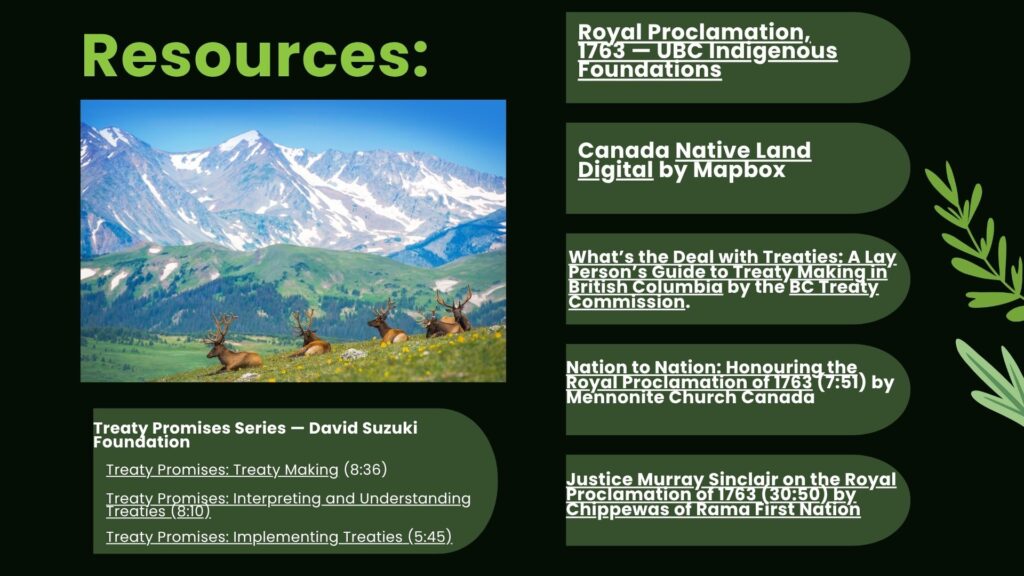
Resource 1 Colonialism and its Impacts by Fem North Net
3 Big Ideas
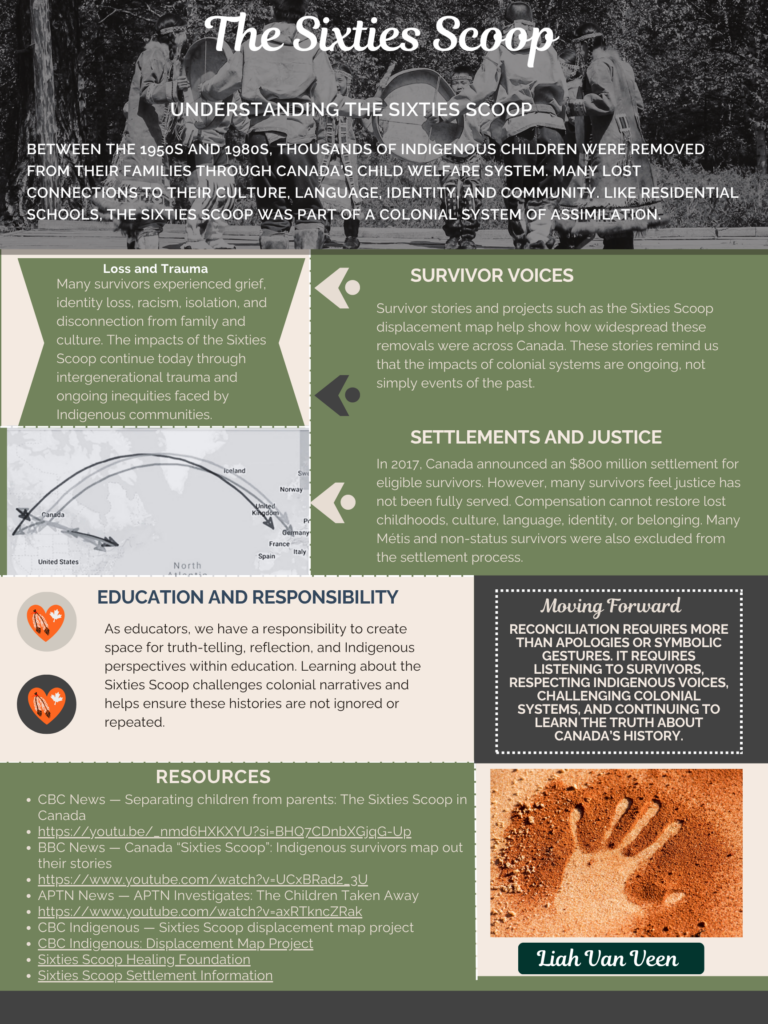
- Colonialism continues to affect Indigenous women, girls, and communities today through ongoing systems of inequality, discrimination, and racism.
- Policies such as the Indian Act, residential schools, and forced displacement disrupted Indigenous cultures, languages, governance systems, identities, and family structures.
- Indigenous women and communities continue to show resilience, strength, leadership, and advocacy despite the ongoing impacts of colonialism.
2 Insights
- I was surprised by how interconnected the impacts of colonialism are and how they continue to influence areas such as healthcare, housing, education, employment, and safety for Indigenous women and communities today.
- I was also interested in learning more about the strength and leadership of Indigenous women and organizations working toward healing, advocacy, and systemic change. I think these voices are incredibly important and are often not highlighted enough within education.
1 Question
Question:
How can schools and educators help address the ongoing impacts of colonialism while creating safer and more inclusive spaces for Indigenous students and communities?
Research and Reflection:
Through this resource, I learned that education plays an important role in both continuing and challenging colonial systems. I think educators can help address these impacts by including Indigenous voices, perspectives, histories, and ways of knowing throughout everyday learning rather than treating them as isolated lessons.
Creating respectful classrooms also means encouraging honest conversations about colonialism, reflecting on our own biases and assumptions, and helping students understand the ongoing impacts these systems continue to have today. I also think educators need to continue learning themselves and recognize that reconciliation is an ongoing process of listening, reflection, relationship-building, and action.
Resource 2- Indian Act by Native Women’s Association of Canada
3 Big Ideas
- Indigenous rights existed long before colonization and continue today. These rights include connections to land, culture, language, governance, identity, and self-determination.
- Colonial systems such as the Indian Act attempted to control and suppress Indigenous Peoples, cultures, governance systems, and identities, with Indigenous women being disproportionately impacted by discriminatory policies.
- Indigenous rights are human rights, and reconciliation requires governments, institutions, and individuals to respect Indigenous sovereignty, leadership, and lived experiences.
2 Insights
- I was intrigued by how strongly Indigenous women were impacted by colonial policies surrounding status and identity. I would like to learn more about how these policies affected Indigenous women, families, and communities both historically and today.
- I was also interested in learning more about Indigenous self-determination and governance. I realized I still have much to learn about how Indigenous Nations traditionally governed themselves before colonial systems were imposed and how communities continue to reclaim governance today.
1 Question
Question:
Will the Canadian government continue to make changes to policies and systems that support Indigenous self-governance and sovereignty, and what could this look like in the future?
Research and Reflection:
Through these resources, I learned that many colonial systems and policies, such as the Indian Act, were designed to control Indigenous Peoples and limit self-governance, culture, and decision-making. However, I also learned that Indigenous Nations have always had their own governance systems, laws, leadership structures, and relationships to the land long before colonization.
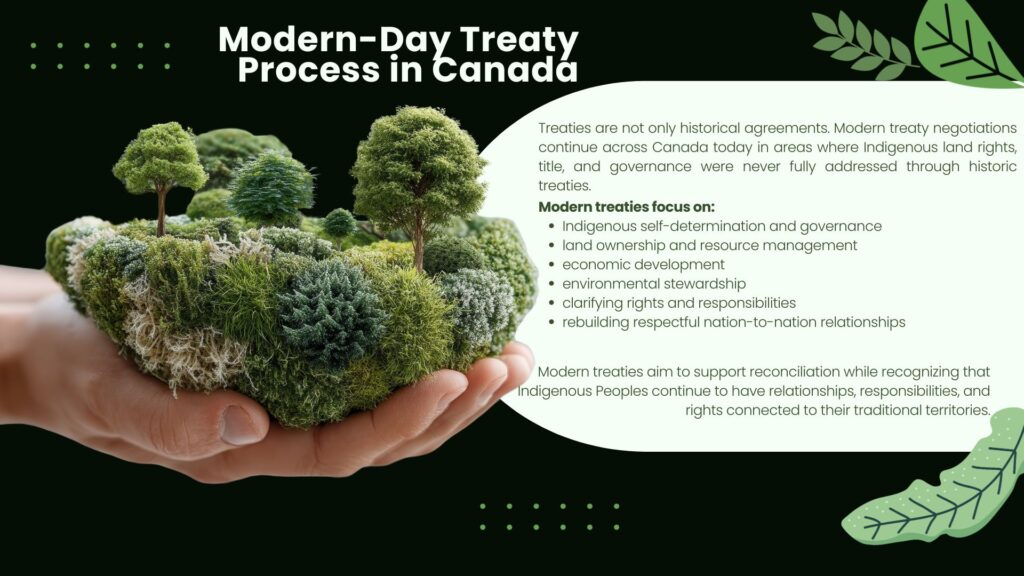
Today, there are ongoing efforts toward Indigenous self-determination and self-governance through modern treaties, land agreements, Indigenous-led education systems, and increased recognition of Indigenous rights and sovereignty. I think future changes could involve Indigenous Nations having greater authority over education, child welfare, healthcare, land and resource management, and governance within their communities.
At the same time, I think there are still many barriers and challenges because colonial systems and policies continue to exist within Canada today. This learning made me realize that reconciliation is not only about acknowledging the past, but also about supporting Indigenous leadership, sovereignty, and decision-making moving forward.
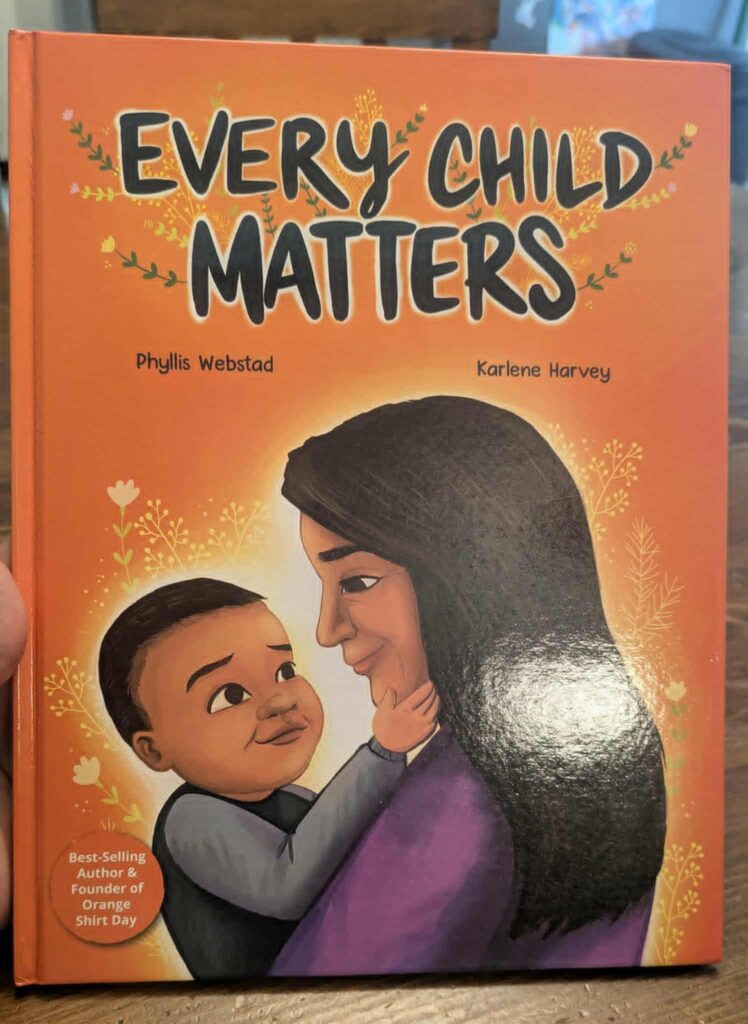
Resource Link: Every Child Matters – Medicine Wheel Publishing
Every Child Matters by Phyllis Webstad and illustrated by Karlene Harvey is an authentic Indigenous children’s book that introduces students to the topic of residential schools in a gentle, age-appropriate, and meaningful way. The story is inspired by Phyllis Webstad’s own experiences and focuses on themes of identity, belonging, love, and the importance of every child. The book helps children begin to understand the impacts of residential schools while also reinforcing the significance of Orange Shirt Day and truth and reconciliation.
I chose this resource because it opens discussions surrounding residential schools in a child-friendly and accessible way while still being truthful and impactful. I have used this book with students from Grades 1–4 and found it to be an incredibly meaningful resource for introducing younger students to these conversations. Because it is written by an Indigenous author and based on lived experience, it provides an authentic perspective and voice that is important for students to hear.
One thing I especially appreciate about this book is the illustrations. The artwork is beautifully done and helps children emotionally connect to the story and characters without overwhelming or frightening them. The illustrations support students in understanding the emotions and experiences within the story while creating opportunities for empathy, reflection, and discussion.
In the classroom, I use this book to begin conversations surrounding residential schools, Orange Shirt Day, kindness, belonging, and the importance of truth and reconciliation. After reading the story, students often participate in reflection activities, talking circles, artwork, or writing activities connected to themes of identity, community, and ensuring every child feels valued, respected, and safe.
Sorry, but comments are not enabled on this site.